
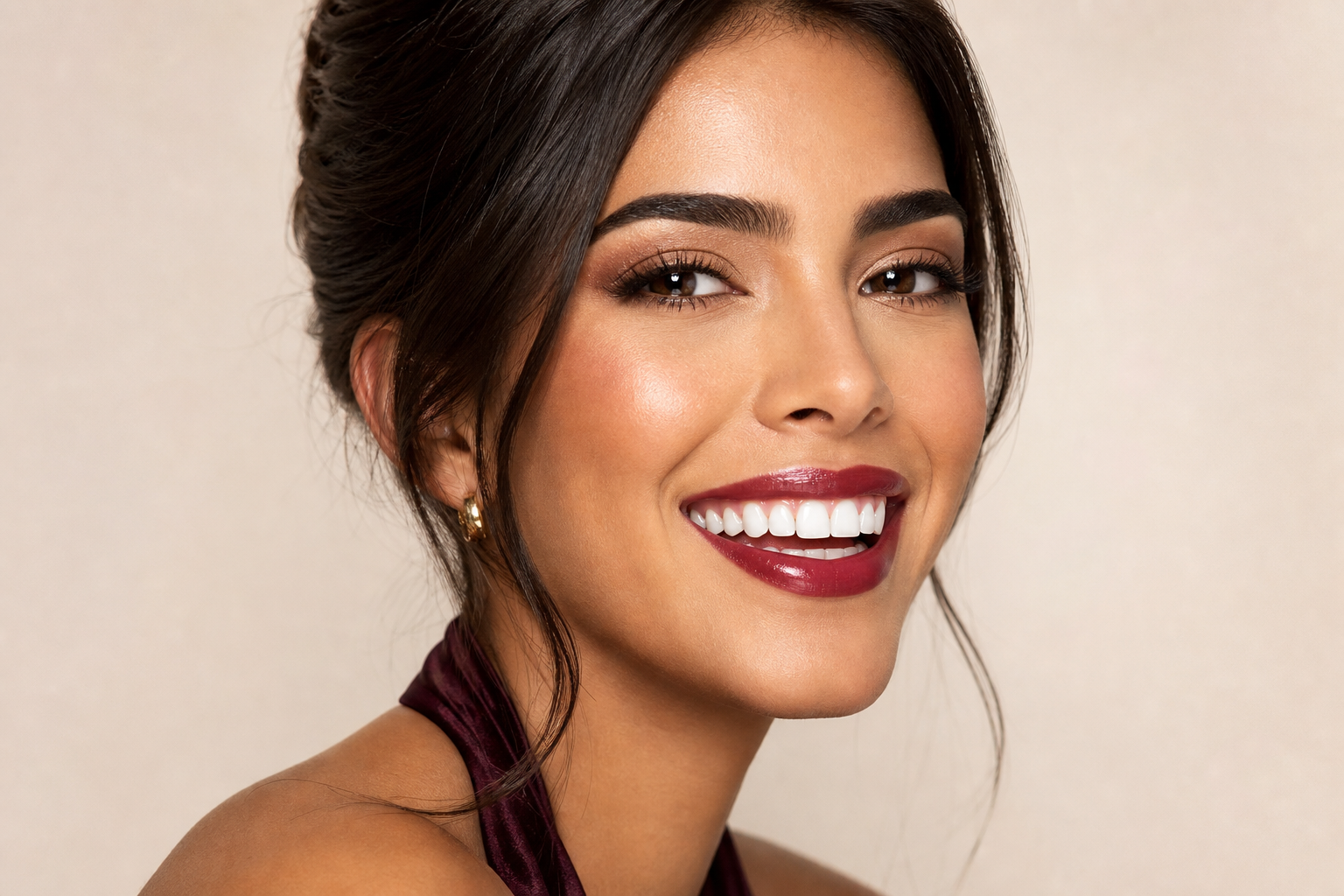
Most homemade teeth whitening recipes are not worth the risk. Skip household bleach, acidic ingredients, charcoal, abrasive powders and improvised peroxide mixtures. If you want a brighter-looking smile, choose a labeled toothpaste for surface stains, a properly formulated peroxide whitener for natural teeth or professional guidance from a licensed dentist.
Whitening is an optional cosmetic choice. Tooth color varies naturally and is not a measure of cleanliness, health, attractiveness or worth.
Quick answer: Avoid DIY whitening mixtures. Match a clearly labeled product to your goal, follow its directions exactly and consult a dentist if you have pain, dental problems, restorations or unexplained discoloration.
First, decide whether you want stain removal or bleaching
“Whitening” can describe two different processes, and knowing which one you want helps you avoid buying the wrong format.
Surface stain removal addresses external discoloration left by things such as coffee, tea, red wine and tobacco. Many whitening toothpastes use cleaning or polishing ingredients to help remove these stains. They can make teeth look cleaner or brighter, but they do not necessarily change the underlying color of a tooth.
Peroxide bleaching changes the color of natural teeth. Over-the-counter strips and gels may use peroxide-based active ingredients, as can dentist-supervised treatments. Results vary with the type of discoloration, product, application and individual mouth.
Neither approach promises a particular shade or permanent result. Temporary tooth sensitivity and gum or oral irritation are possible with bleaching products.
Homemade teeth whitening methods to skip
A recipe being inexpensive, natural or popular online does not make it suitable for teeth and gums. Avoid these commonly promoted approaches:
- Household bleach: It is not a teeth-whitening product and should never be put in your mouth.
- Lemon juice, vinegar and acidic fruit mixtures: These expose your teeth to unnecessary acidity and are not appropriate substitutes for formulated whitening products.
- Charcoal and abrasive powders: Scrubbing harder is not the same as bleaching. Improvised abrasive mixtures may also irritate your mouth or create wear concerns.
- Loose baking soda recipes: A homemade paste gives you no reliable way to control abrasiveness, concentration or contact time.
- Medicine-cabinet peroxide mixtures: Do not improvise a rinse or gel from a household product. Whitening formulas should provide clear directions for oral use.
- Oil pulling as a whitening treatment: It should not be treated as a replacement for surface-stain removal or peroxide bleaching.
Also avoid combining several whitening formats, applying them more frequently than directed or extending the contact time. Sleeping in a product is not a shortcut unless its label specifically instructs you to do so.
What to use instead at different budgets
You do not need the most expensive option. Start by matching the method to your goal and tolerance for upkeep.
| Budget and goal | Option to consider | Main limitation |
|---|---|---|
| Minimal spend, no bleaching | Regular oral-care routine or lipstick that creates more visual contrast | Does not change the natural tooth color |
| Lower budget, surface stains | Labeled whitening toothpaste | Mainly targets external stains |
| Moderate budget, natural-tooth bleaching | Labeled peroxide strips or gel | May cause sensitivity or irritation |
| Higher budget or a complicated starting point | Dentist-supervised whitening | Costs more and still cannot whiten restorations |
A blue-red, berry or cool rose lipstick can sometimes make teeth appear brighter by contrast in a particular light. This is simply a makeup effect, not physical whitening, and no lipstick family works identically for every person.
When considering a whitening toothpaste, strip or gel, read beyond the front of the box. Check:
- whether it is intended for surface stains or bleaching
- the active ingredient
- application frequency and contact time
- warnings about sensitivity and gum contact
- the full amount needed for the labeled course
- return terms and availability if cost matters
Follow the label rather than a social-media routine. More product, extra applications and longer wear do not guarantee more whitening.
Remember that restorations will not whiten the same way
Peroxide whitening affects natural teeth, but crowns, veneers, implants, fillings and bonding do not lighten in the same way. Whitening nearby teeth can therefore leave an existing restoration looking like a different color.
If you have visible restorations, ask a licensed dentist about the likely color balance before bleaching. This is particularly useful when the restoration is on a front tooth or when you are considering future dental work.
Know when not to treat discoloration at home
Do not assume that every dark or changing tooth is a cosmetic stain. Speak with a licensed dentist before whitening if you have:
- tooth pain or a cracked tooth
- untreated decay or gum problems
- a single tooth that has become noticeably darker
- extensive crowns, veneers, fillings or bonding
- persistent sensitivity
- uncertainty about what caused the discoloration
- pregnancy-related questions about whitening
These situations require individualized advice rather than a stronger homemade formula.
If a whitening product causes burning, significant gum irritation or other concerning symptoms, stop using it and follow the label’s safety guidance. Seek professional advice when symptoms persist or worry you. Sensitivity is a possible side effect, not proof that whitening is working.
Your practical next step
Choose your lane before you shop: surface-stain removal, peroxide bleaching or no color change at all. Then select one clearly labeled method that fits your budget and follow its directions without stacking products. If your mouth is painful, highly sensitive, heavily restored or difficult to assess, make a dental appointment before beginning.
