
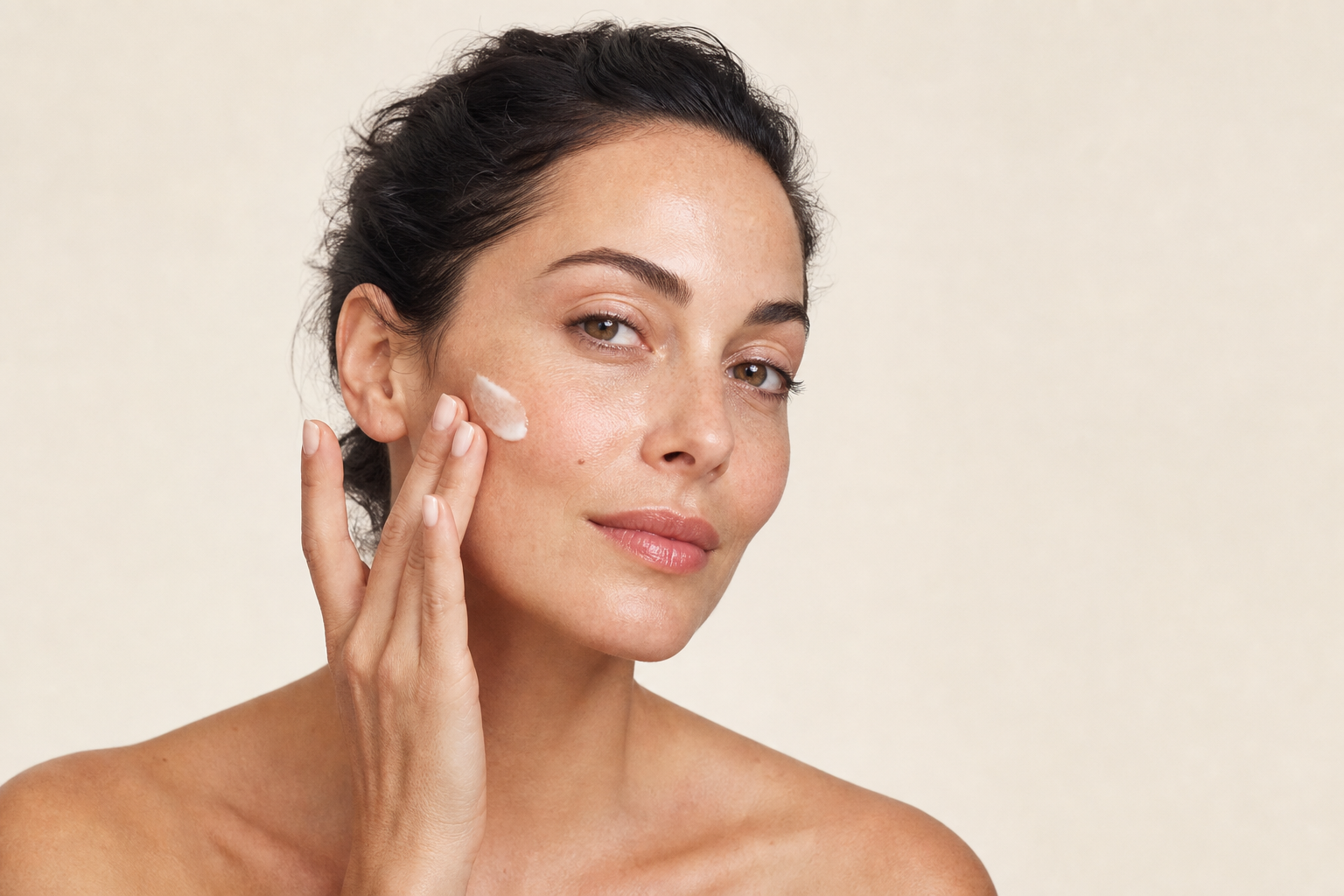
If you are wondering how to make your face look better, you do not need to reshape your features or start a complicated routine. Gentle cleansing, comfortable hydration, sun protection, and one optional makeup or grooming detail can help you create a more polished finish.
These beauty routine tips are choices, not rules. Keep what suits your skin, schedule, budget, and personal style.
Quick answer: Start with gentle cleansing, moisturizer, and broad-spectrum SPF 30 or higher. Then, if you want, add one simple detail such as brushed brows, blush, curled lashes, or lip color.
1. Choose One Goal for Your Routine
Before reaching for several products, decide what you want from today’s routine. You might want your skin to feel more comfortable, your makeup to apply smoothly, or one feature to have a little more color or definition.
A single goal makes it easier to avoid buying or layering products you do not need. It also leaves room for makeup-free days without treating bare skin as unfinished.
Looking polished is a styling preference, not evidence of skin health. Normal texture, pores, lines, asymmetry, and facial movement do not need to be corrected.
2. Cleanse Gently Instead of Scrubbing
Wash with lukewarm water and a gentle cleanser, using your fingertips rather than a rough cloth or scrub. Pat your skin dry instead of rubbing it.
The American Academy of Dermatology recommends gentle cleansing up to twice daily and after sweating. However, dry or sensitive skin may feel more comfortable with a different frequency, particularly if you use a prescribed treatment.
Tight, stinging, or squeaky-feeling skin is not proof that cleansing worked. It may mean the cleanser or technique is too harsh for you.
3. Apply Moisturizer While Skin Is Slightly Damp
Moisturizer can make dry skin feel more comfortable and temporarily make dryness less visible. Applying it to slightly damp skin helps retain water.
Choose a texture based on how your skin feels rather than what is trending. You might prefer a richer layer on dry areas, a lighter texture all over, or no extra moisturizer where another product already provides enough hydration.
Moisturizer will not erase pores or natural texture, and an expensive formula is not automatically more effective. A basic product that you enjoy using consistently can be enough.
4. Treat Sunscreen as a Daily Protective Step
When you will be outdoors, apply a broad-spectrum, water-resistant sunscreen with SPF 30 or higher. Follow its label for the amount, timing, and reapplication, especially when sweating or swimming.
Sunscreen belongs after moisturizer and before optional makeup in a typical morning routine. The AAD’s skin-care order also places prescribed medication or treatment before moisturizer and sunscreen, unless your clinician directs you differently.
Think of sunscreen as protection, not simply a glow-up product. It does not need to create a particular finish to be a valuable part of face skin care.
5. Add One Optional Point of Color or Definition
Makeup can create an immediate visual change, but you do not need a full complexion routine. Pick one detail that matches the finish you want:
- Brush your brows into place.
- Curl your lashes if that feels comfortable.
- Add blush where you like seeing color.
- Choose a lip color you enjoy.
- Use a small amount of complexion makeup only where you want it.
There is no universally flattering brow, blush placement, or lip shade. Experiment in your usual lighting rather than following rules based on face shape, age, or complexion.
If you are acne-prone, “non-comedogenic,” “oil-free,” or “won’t clog pores” labels can be useful shopping filters, although they cannot guarantee that a product will suit everyone.
6. Remove Makeup Gently and Clean Your Tools
Take makeup off before bed without aggressive rubbing or scrubbing. Wash reusable brushes and sponges regularly, and do not share makeup or tools that touch the eyes or lips.
The FDA advises cosmetic users to follow label directions, keep containers clean and closed, and discard products that develop an unusual smell or color. Wash your hands before applying products, particularly those used near your eyes.
Stop using a cosmetic if it causes unexpected burning, redness, or a rash. Makeup should not have to hurt to produce a visible result.
7. Introduce New Products Slowly
Adding several masks, acids, scrubs, or treatments at once can make irritation more likely and leave you unsure which product caused it. Facial masks can be enjoyable self care activities, but they are optional and do not replace cleansing, moisturizing, or sun protection.
When practical, the AAD suggests testing a new skin-care product on a small area twice daily for seven to ten days before wider use. Follow the label and wash off any product that causes itching, burning, swelling, or persistent redness.
See a dermatologist or another appropriate licensed clinician for a severe reaction, persistent or worsening acne or irritation, painful or bleeding skin, ongoing eye-area irritation, or a spot that changes, itches, or bleeds.
For the next week, choose two basics and one optional finishing touch. A gentle cleanser, suitable moisturizer, sunscreen, and a detail you genuinely enjoy are a more useful starting point than chasing a dramatic transformation.
