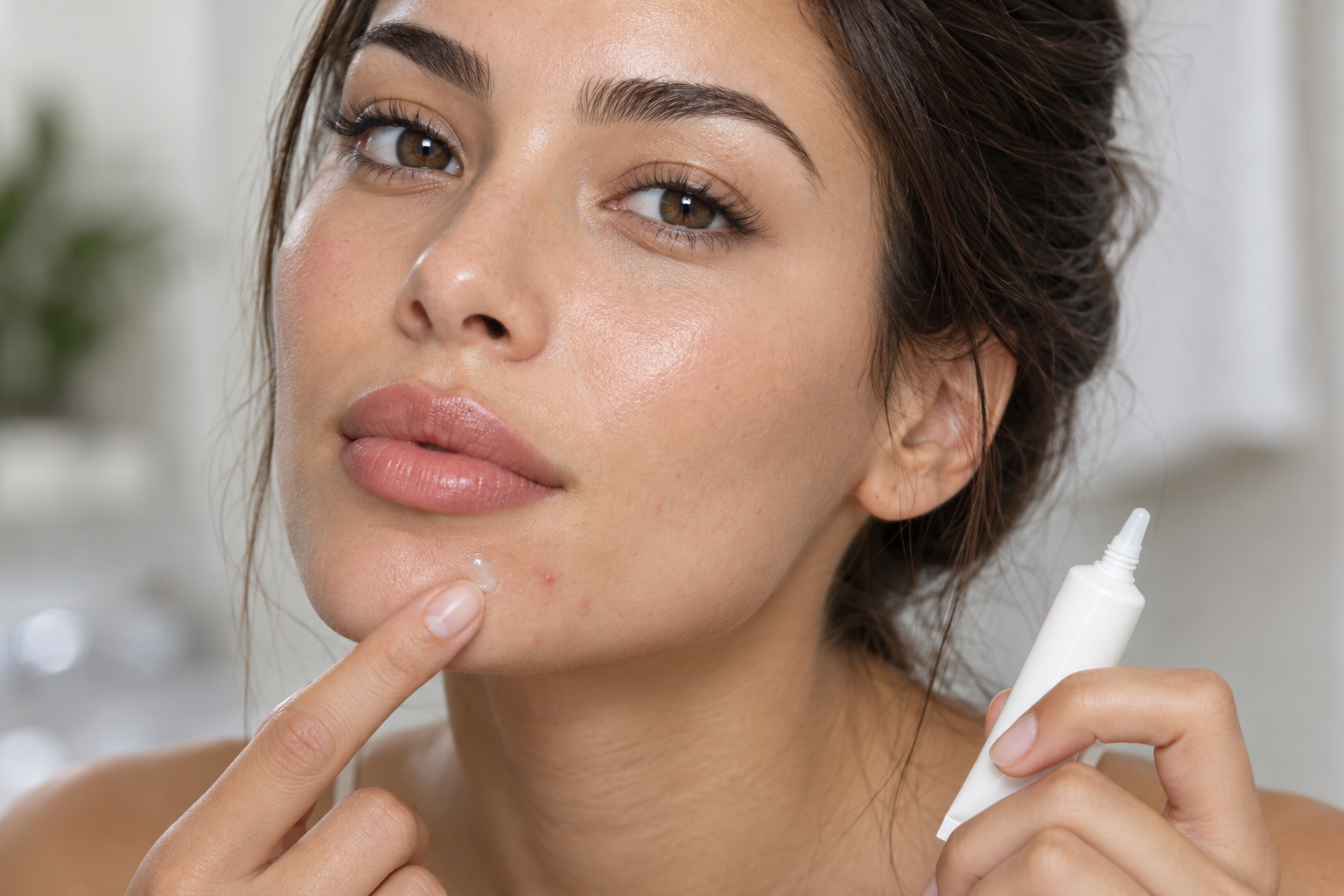
The chin breakout returns, and suddenly your bathroom shelf has another exfoliant. A hormonal acne skincare routine can help control breakouts when it includes an appropriate acne treatment, while gentle basics keep skin comfortable. What it cannot do is promise to “balance” your hormones or replace medical care for persistent, painful acne.
The useful distinction isn’t topical versus oral. It’s supportive skincare versus acne treatment, with some people needing both.
Quick answer: Keep cleansing, moisturizing, and sun protection simple. Introduce one suitable acne treatment, follow its directions, and seek professional help for deep, painful, scarring, or persistent breakouts rather than endlessly adding products.
Recurring jawline acne is a clue, not a diagnosis
Breakouts around your period may suggest a hormonal influence, but timing and location alone don’t establish a hormone imbalance. The American Academy of Dermatology (AAD) explains that adult acne can have several contributors, including hormonal fluctuations, family history, medications, and skincare products.
That matters when choosing what to try next: a cleanser marketed for “hormonal skin” cannot identify the cause of your breakouts.
Skincare also isn’t useless just because hormones may be involved. Topical medicines can address clogged pores, acne-associated bacteria, and inflammation; some prescription topicals specifically target hormonal activity in the skin.
Build a manageable hormonal acne skincare routine
Your routine needs a few clear jobs, not a different bottle for every blemish.
Morning: gentle cleansing, moisture, and sunscreen
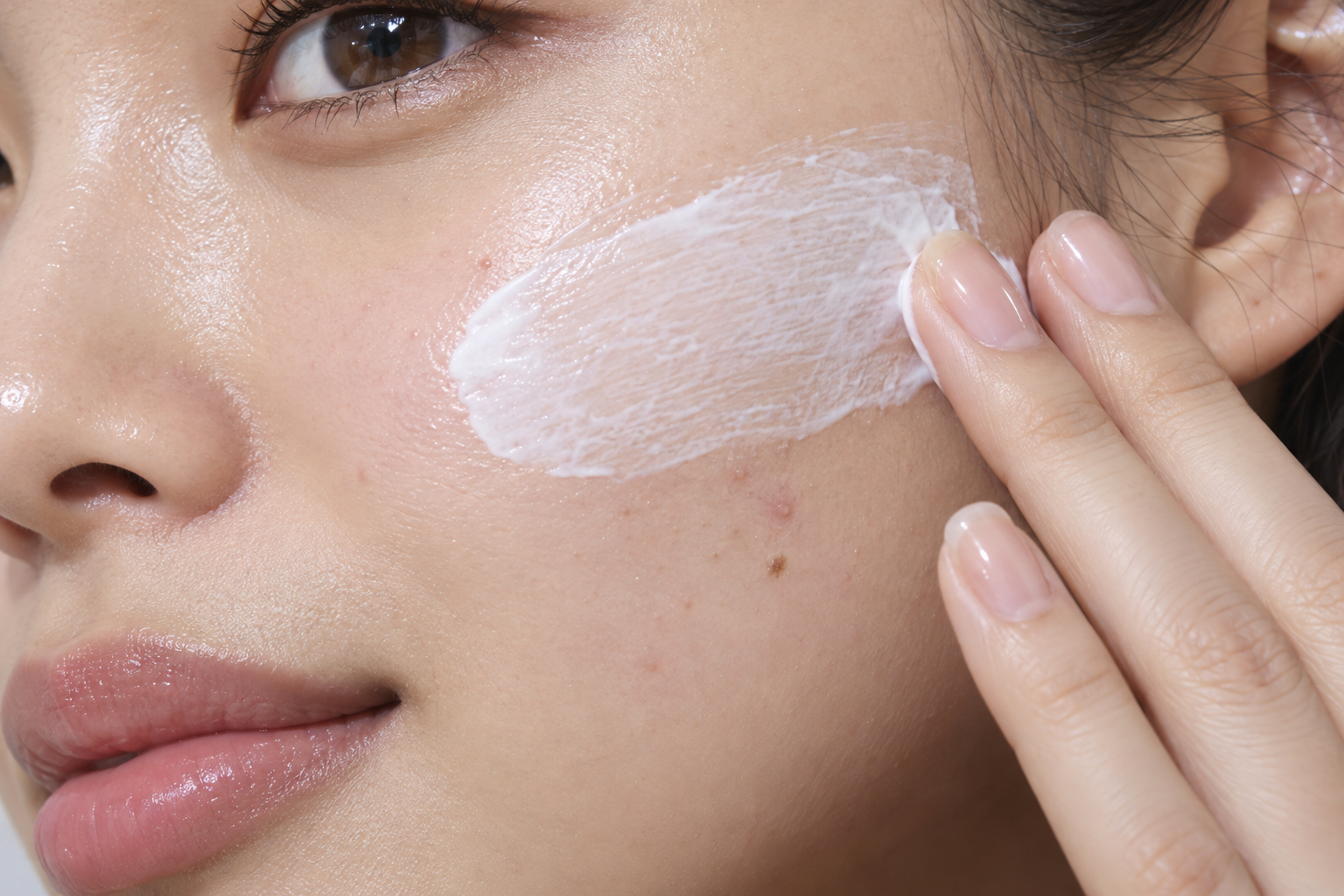
Wash gently with a mild cleanser, using your fingertips rather than a scrub or cleansing brush. The AAD’s acne-care guidance recommends washing up to twice daily and after sweating.
Follow with moisturizer as needed and broad-spectrum, water-resistant SPF 30 or higher. Sunscreen belongs alongside shade and other sun protection, not instead of them.
Look for “non-comedogenic” labeling when choosing skincare. It’s a useful selection cue, not a guarantee that a formula will suit everyone.
Evening: cleanse and make room for treatment
Remove makeup and sunscreen gently, then use your chosen acne treatment and moisturizer according to the treatment’s directions. There isn’t one universal layering order for every wash, gel, and cream.
Keep moisturizer even if your skin looks oily, especially when treatment leaves it tight or flaky. The AAD explains that moisturizer can help skin tolerate acne medicines; it isn’t a stand-alone acne cure.
For a simple cleanse-and-moisturize step, applying moisturizer while skin is slightly damp helps retain water. If your medication requires dry skin, follow that instruction instead.
Choose one treatment, not an active-ingredient collection
These ingredients have different roles, as outlined in the AAD’s treatment overview:
- Adapalene: A topical retinoid that helps keep pores from clogging.
- Benzoyl peroxide: Helps reduce acne-associated bacteria.
- Salicylic acid: Helps unclog pores.
- Azelaic acid: Treats acne and may also help lingering dark marks.
These are options, not four required layers. Check your cleanser first: a medicated wash may already contain an acne active.
If you’re pregnant or trying to conceive, get professional advice before selecting acne medicines, including nonprescription options. Retinoids such as adapalene should be avoided during pregnancy, according to the AAD’s pregnancy guidance.
Give treatment a fair trial without tolerating irritation
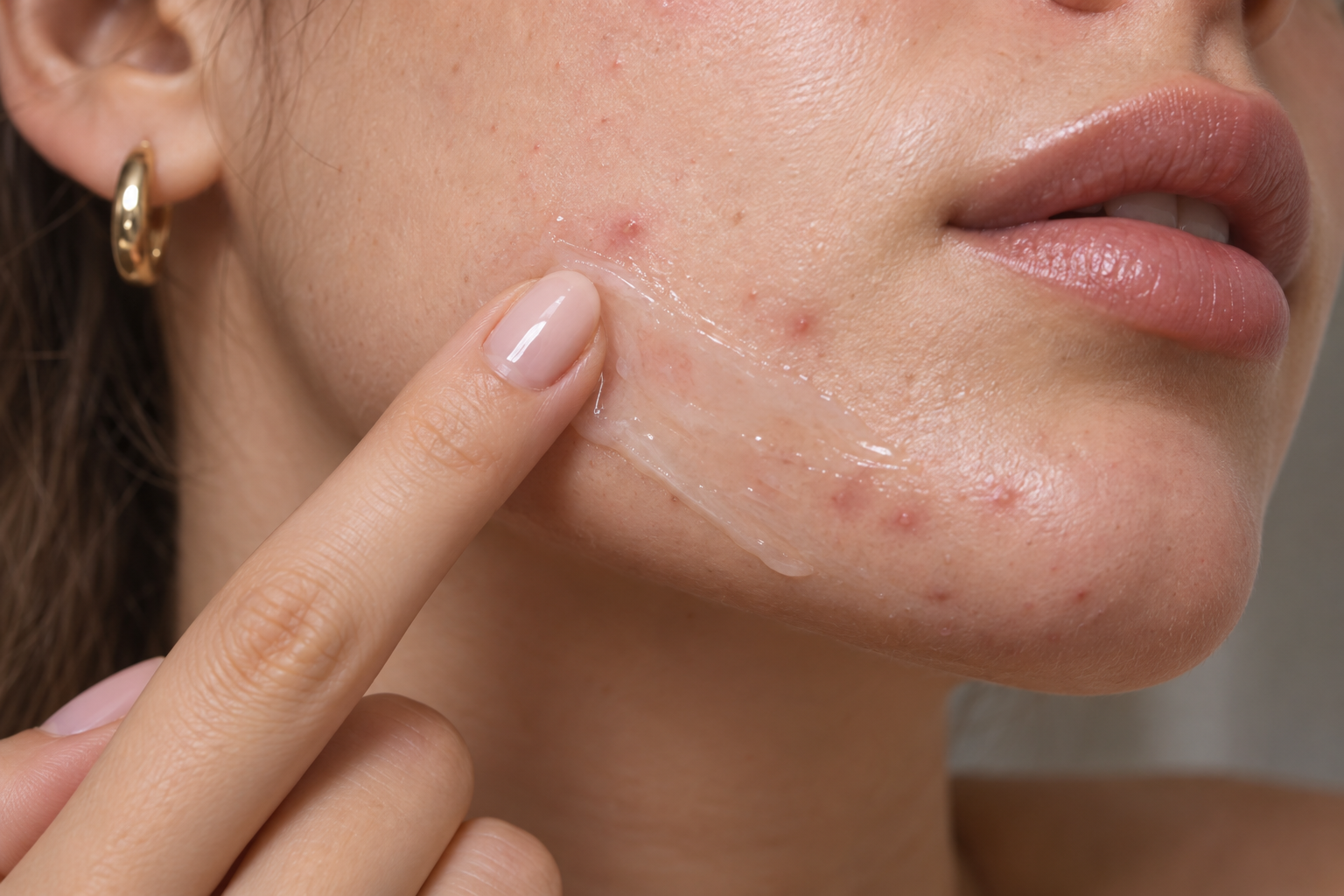
One easily missed detail: prevention usually means treating the recurring area, not just today’s visible spot. Where the medicine’s directions support it, spread a thin layer across the acne-prone area rather than repeatedly dotting individual blemishes. This doesn’t apply automatically to every spot product or medicated wash.
For mild acne managed at home, the AAD recommends giving one treatment six to eight weeks before adding another. Improvement may begin within four to eight weeks, while fuller results take longer.
Consistency doesn’t mean pushing through burning or significant irritation. Stop a product that causes a concerning reaction and seek advice; discuss prescription adjustments with the prescriber. Skip scrubs, picking, and extra exfoliating layers while assessing treatment.
A brief note with your start date, irritation, and breakout timing can make progress easier to discuss. It’s appointment preparation, not a way to diagnose yourself.
Know when another skincare purchase isn’t the next step

Book professional advice for deep or painful lesions, scarring, persistent dark marks, or little improvement after a consistent treatment trial. You can also ask sooner if acne is upsetting you. There’s no need to meet a severity threshold first.
A dermatologist can assess whether you need prescription topical treatment, systemic treatment, or a combination based on your health history and pregnancy plans.
Mention irregular or missed periods, increased facial or body hair, or scalp hair thinning to a clinician. The Office on Women’s Health lists these among symptoms that can occur with PCOS, but acne and these changes do not establish that diagnosis.
Before buying anything else, check your current active ingredients and write down when you started them. Keep the comfortable basics; let persistent or painful breakouts prompt a conversation, not an increasingly crowded shelf.