

Your makeup can look lovely in the bathroom, then meet its first challenge before the ceremony: the graduation cap. For graduation makeup that handles photographs and a long schedule, start with familiar products, keep coverage light where the cap touches, set only the areas that need it, and plan small repairs.
The goal isn’t an untouched face from morning to dinner. It’s a look you enjoy in changing light and can refresh without rebuilding everything.
Quick answer: Rehearse with your cap and gown, use light base layers plus targeted concealer, add definition you like in photos, and blot before touching up. Powder helps with shine; missing coverage needs a different repair.
Test your graduation makeup with the cap and gown
Do one practice run using the products you intend to wear, including sunscreen for outdoor portions. You don’t need a whole new kit. Testing your existing routine is more useful than introducing several unfamiliar formulas on graduation morning.
Put on the cap before applying your base and notice where its inner band rests on your forehead and temples. That contact strip deserves lighter coverage, not extra layers. Check the fit too: a cap that slides whenever you turn your head will keep disturbing the same area.
Photograph the finished look:
- In daylight: Compare your face with your neck and any chest visible above the gown.
- Indoors: Check whether your blush, brows, and eye definition look how you want.
- With direct flash, if likely: Look for pale patches or a noticeable difference between powdered and unpowdered areas.
This rehearsal can reveal problems, but it won’t predict every professional photograph. If something looks off, change one element at a time rather than replacing your entire routine.
Prep for the actual weather, not just the ceremony
Use your usual skin preparation, adjusting moisturizer to how your skin feels. If a rich layer leaves your base sliding around during rehearsal, try less underneath makeup rather than piling powder on top. Let each product settle according to its directions.
For outdoor waiting or portraits, keep sunscreen in the plan. The American Academy of Dermatology recommends broad-spectrum, water-resistant SPF 30 or higher, applied before going outdoors, with reapplication every two hours outdoors and immediately after swimming or sweating. Remember exposed areas such as your neck and ears.
Test your sunscreen and makeup together. Don’t skip sun protection because of a blanket claim that SPF photographs badly. Also plan how you’ll reapply during outdoor portions; a pretty base isn’t a substitute for protection.
Primer is optional. Use it if you already like the result with your chosen base, not because graduation suddenly requires another layer.
Build coverage where you want it
A skin tint, foundation, or mostly concealer-based look can all fit the occasion. Choose the amount of coverage you enjoy, then apply it strategically.
- Start with a light base. Blend outward from areas where you want coverage, leaving less product near the hairline and cap-contact strip. If your formula sets quickly, work in small sections instead of dotting it across your whole face.
- Add concealer locally. Tap it onto areas where you want more coverage, blending the edges without spreading it across skin you’ve already finished.
- Check the gown neckline. Blend the jawline carefully and avoid extending foundation down onto fabric-contact areas just to disguise a shade mismatch. A better-matching base is usually the simpler fix.
Before setting, inspect places where product gathers, such as beside the nostrils. Gently tap away excess rather than locking a thick patch under powder. Skin texture will still be visible, and that’s normal.
Give cheeks, eyes, and lips enough definition
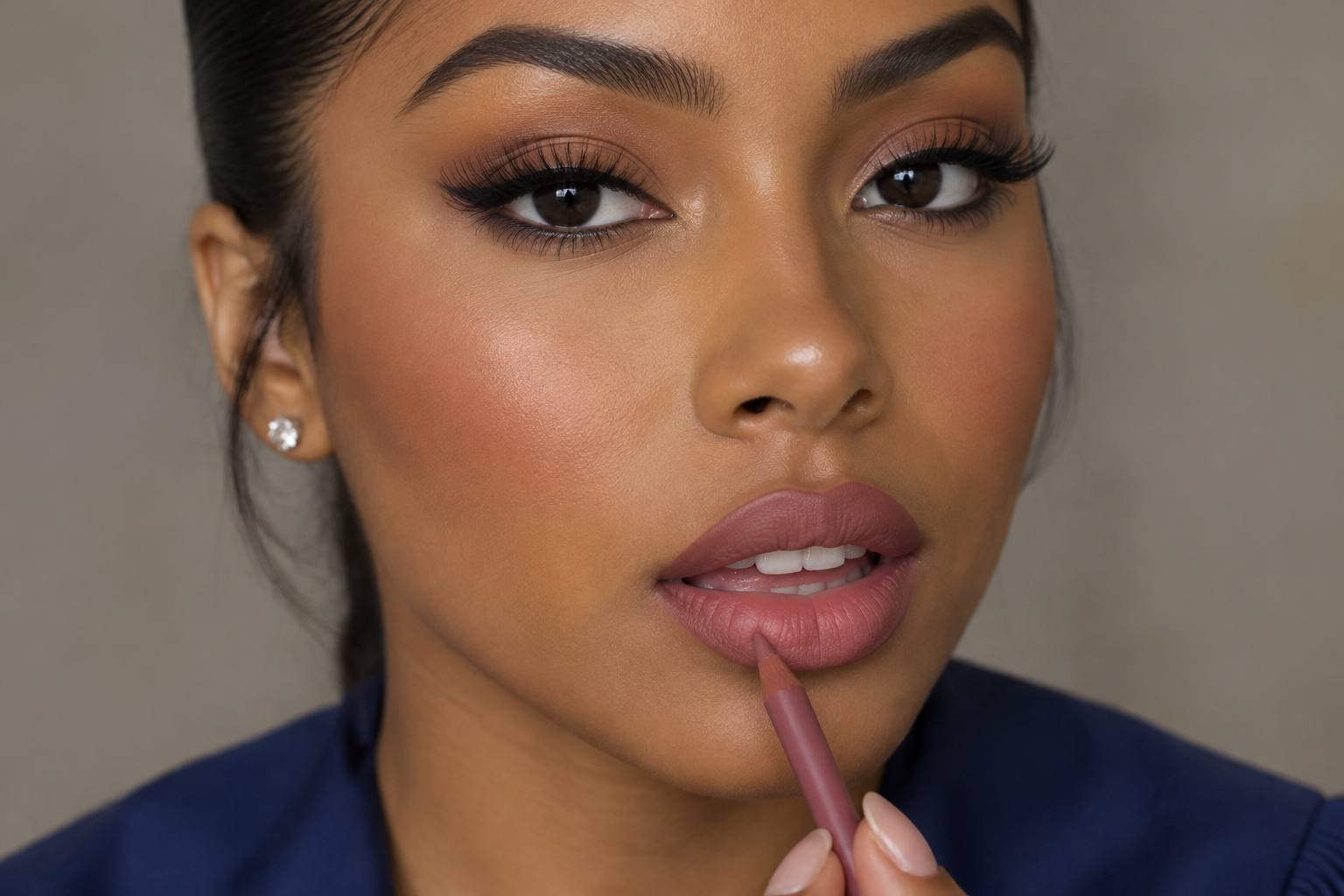
For cheeks, choose a blush color you already enjoy and blend it where you like the shape. Check it with the cap on: the brim changes how light falls across your upper face. If you want more visible color in the rehearsal photo, build a little at a time.
For eyes, a softly shaded lid, defined upper lash line, and mascara make a straightforward starting point. Keep liner close to the upper lashes for subtle definition; add a wing or stronger shadow if that feels more like you. Graduation doesn’t require borrowing someone else’s face.
Waterproof mascara is an option if you expect tears, but test it first and plan an appropriate remover. Follow the mascara and remover directions rather than scrubbing it off later. If eye makeup irritates your eyes, stop using it; the FDA advises seeking medical advice if irritation persists.
For lips, choose maintenance you’ll actually tolerate:
- Cream or satin lipstick: Comfortable to refresh, but may transfer during drinks or meals.
- A longer-wearing formula: May need less frequent reapplication, but can feel drier or be harder to repair neatly.
- Tinted balm or gloss: Easy to reapply, with a softer finish and potentially more frequent touch-ups.
If you use lip liner, follow your natural outline and lightly fill the lips before lipstick. Check the corners too; they’re easy to miss when you’re rushing.
Set selectively, then put the cap back on
Finish cream products before powder. Use a small brush or puff to apply powder where you usually become shiny, often around the nose, center forehead, or chin. Dry areas don’t automatically need the same treatment.
“Translucent” doesn’t guarantee an invisible finish on every complexion. Check your powder in daylight and the rehearsal photographs, especially if you’ve applied more beneath the eyes.
Setting spray is optional and formula-dependent. Follow its directions and let it dry before putting on the cap. More spray doesn’t automatically mean more staying power, and it doesn’t make every product underneath waterproof.
Once everything has settled, try the cap again. Look at the forehead, temples, and brows after removing it. If there’s a rubbed line, adjust the fit or reduce coverage along that strip during your next attempt. Another coat of foundation isn’t always the answer.
Touch up the problem you actually have
Before reaching for powder, ask: Is this shine, moisture, or missing makeup?
For surface oil or sweat, gently press and lift a tissue or blotting paper. Don’t wipe across the face. Reassess once the surface is dry; if coverage is intact, a little powder may be all you want.
For a rubbed-away patch, tap on a tiny amount of your tested base or concealer and soften the edges. Cream over a heavily powdered area can disturb what’s underneath, so rehearse that repair too. Powder foundation adds coverage; a sheer touch-up powder generally won’t replace a missing base.
Keep a small kit: tissues or blotting paper, your lip product, a mirror, powder if you use it, and a little base with a clean applicator. Keep sunscreen accessible for the outdoor plan.
The useful graduation shortcut is simple: blot for shine, repair missing coverage, and check the cap before the next photo. Give that routine one practice run before the big morning.
